We are Tagal Oceanic
Production, Restoration, Education: Your partners in aquaculture excellence.
At Tagal Oceanic, we provide a variety of services, from system designs and builds, educational outreach, and experienced consulting for shellfish, fin fish, restoration, and research.
With over 30 years of experience, Tagal Oceanic is the professional you need to deliver precise insights and effective solutions for your business and educational challenges.
Who we are
Bridging the gap between technical production and public understanding.
Latest social media posts
Forage fish friends, and the merroir of seafood.
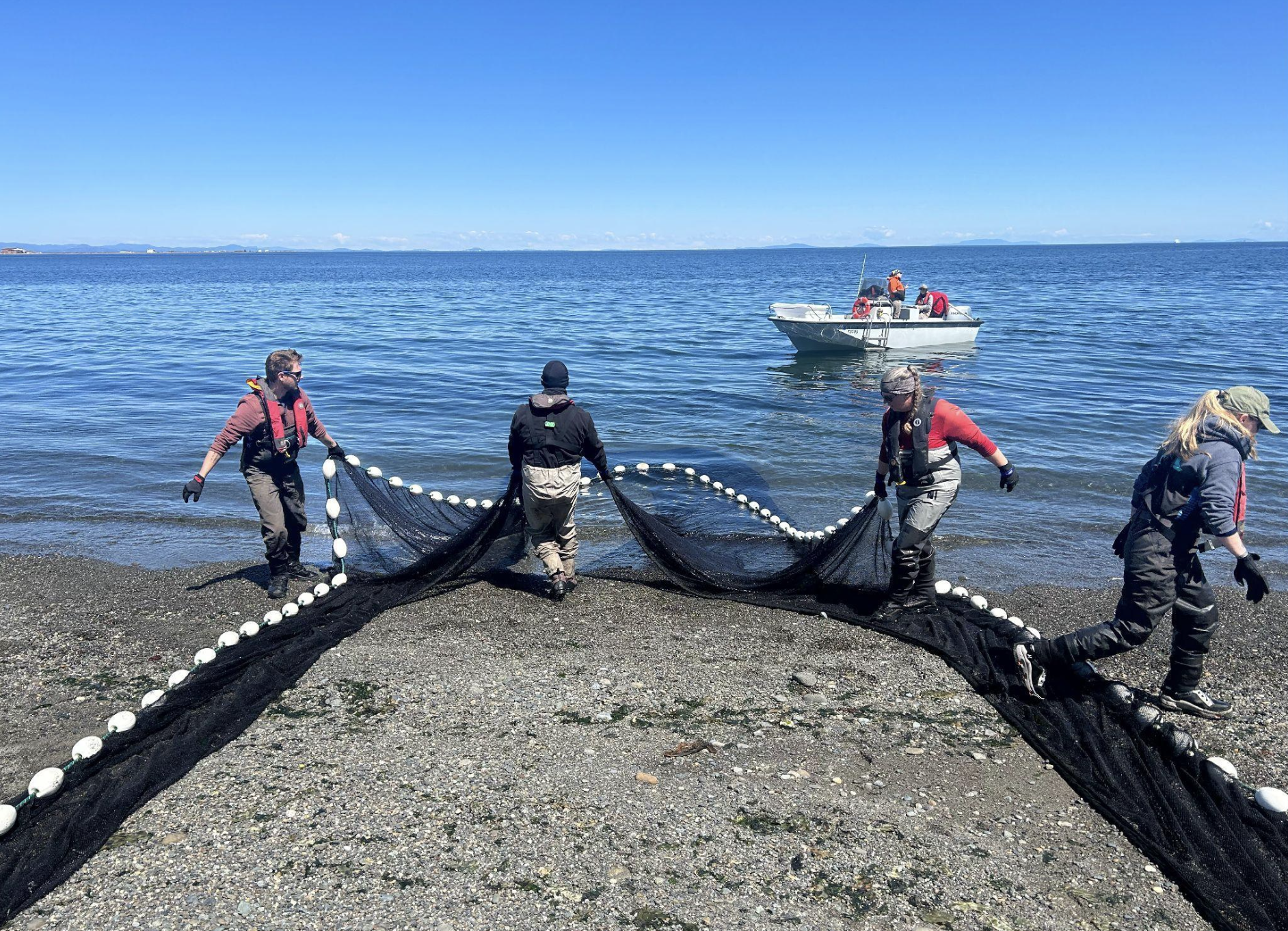
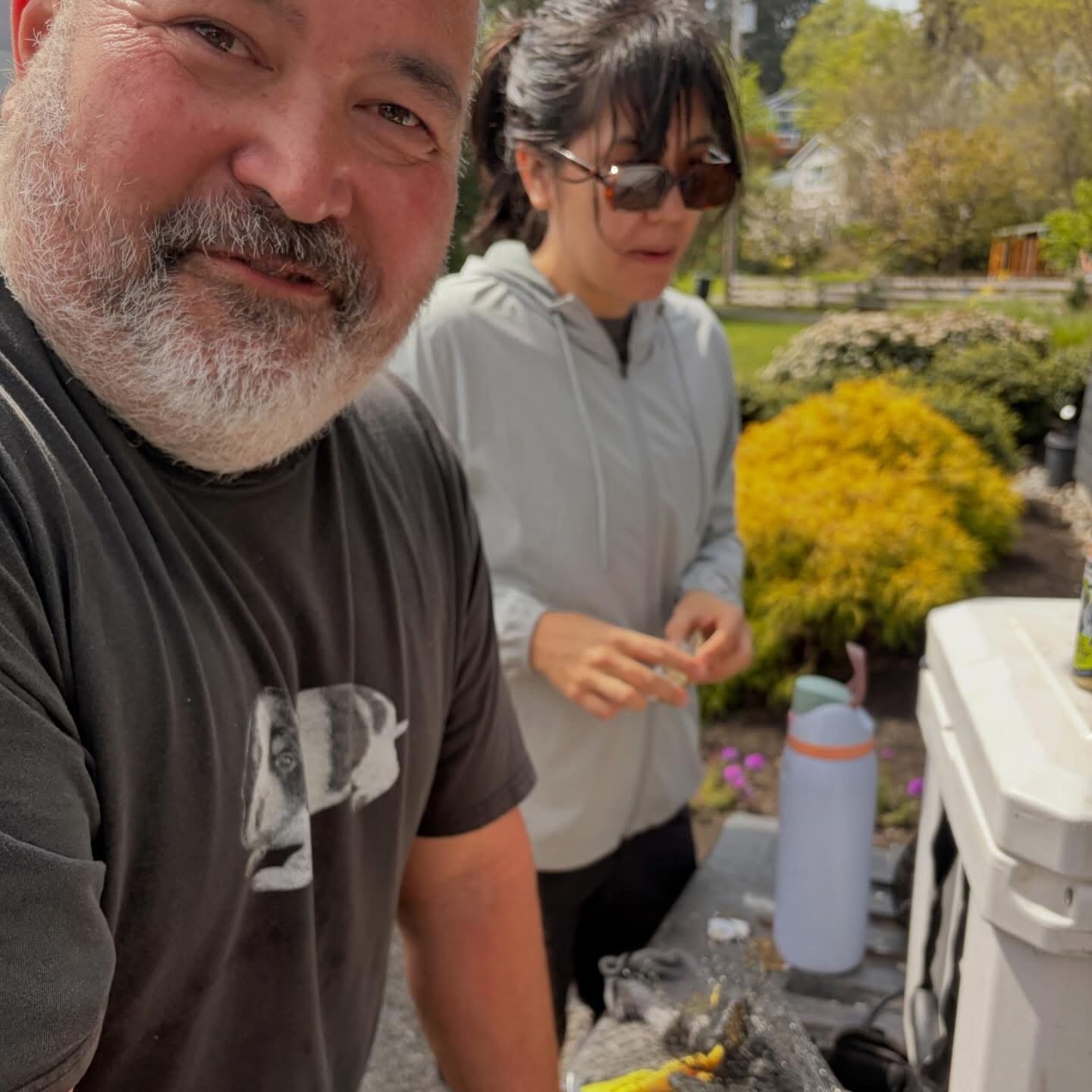
This past Friday, I took a small group out to the Port Madison Community Shellfish Farm to talk about the “merroir” of oysters—how and why seafood tastes the way it does. The low tide that gave us access to the oyster farm preceded a perfect tide and moon phase for surf smelt just down the coast.
After harvesting oysters, I headed out and gathered a few smelt. The oysters are a good launching point for understanding Merroir (and some incredible dishes by my daughters-in-law—the grilled oysters and the raw oyster platter🙌), while the smelt supported ongoing genetics research with our friends at the Mariner Science Club.
One of the best parts? Only a small fin sample is needed for DNA work, so nothing goes to waste—the rest is enjoyed. Around here, we have longfin smelt, eulachon (river smelt), and surf smelt. Unlike their cousins, surf smelt don’t travel far into freshwater and carry less fat, giving them a lighter, cleaner flavor.
One of my first cooking jobs was in a Japanese restaurant where I prepared gizzard shad for sushi, so I did the smelt the same way. The oysters were simply shucked and put on a plate.
All in all, a perfect way to kick off early summer: good food, good science, and great company.
The Merroir of seafood: One of the biggest barriers I see between people and seafood is confidence. When people feel informed, everything changes. They explore more, cook more, and connect more.
Over time, we’ve grown disconnected from our food. Convenience and efficiency made it easier to access—but harder to understand. That’s why movements like farm-to-table, tide-to-table, and dock-to-dish matter… they bring us back to the source.
That’s where merroir comes in. Place matters. Water, environment, and growing conditions all shape flavor—and when chefs understand that, they can create dishes that truly tell a story.
Through Tagal Oceanic, we brought our Merroir education program back into the classroom—this time focusing on shellfish from our region. Even after our eeBLUE/NOAA funding ended, we’ve continued this work with partners because it matters—for students, producers, and the community.
Living near the water, it’s easy to take the working waterfront for granted. But I’ve met culinary students who’ve never even handled an oyster. That gap is real—and it’s something we’re working to change.
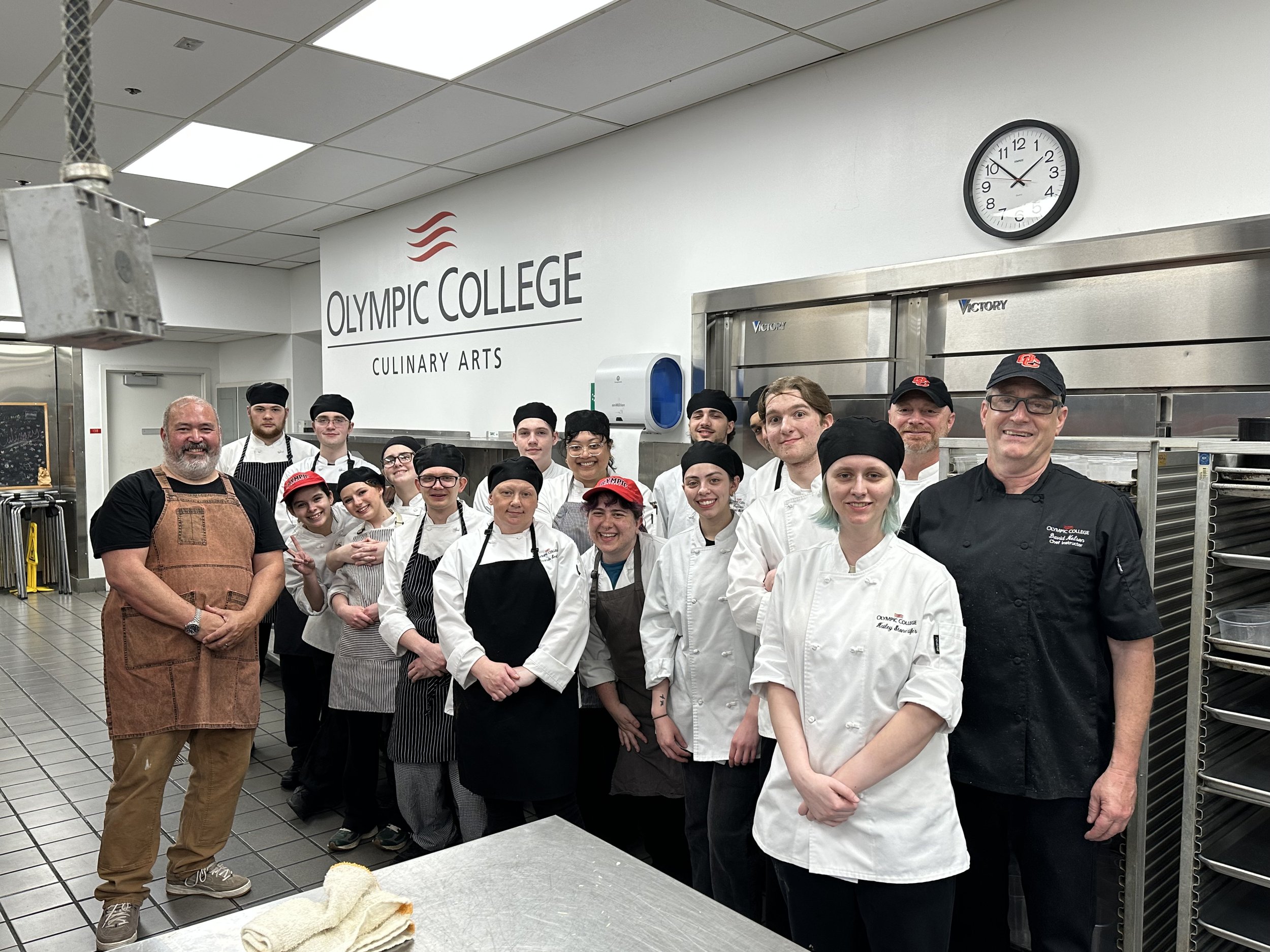
Recently, alongside Chef David Nelson at Olympic College, we built a Mediterranean-inspired menu using local shellfish. We explored how farming methods, environment, and species influence flavor—and how those elements translate onto the plate.
This work goes beyond recipes. It’s about helping the next generation of chefs understand the why behind the ingredients they use. That connection strengthens our food systems, supports local producers, and elevates the dining experience.
#Merroir #Shellfish #CulinaryEducation